

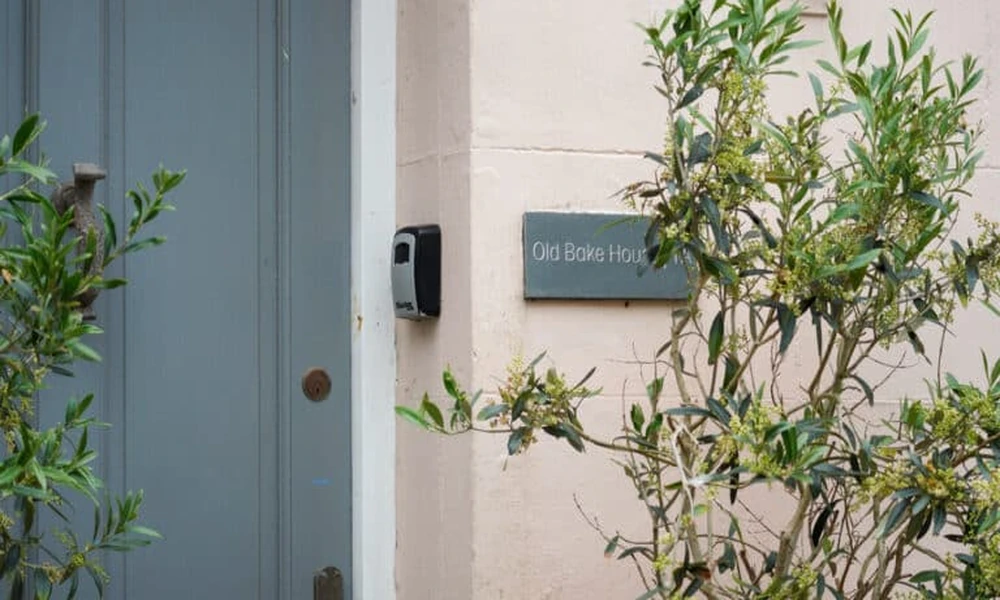
Nothing ages a home’s curb appeal faster than a faded, rusted, or peeling address sign. When you consider that your address numbers are one of the first details guests, delivery drivers, and even emergency responders notice, cutting corners on their materials is a risk not worth taking. The real impact of material choice goes far beyond simple aesthetics, influencing everything from weather resistance to maintenance and environmental footprint.
The Critical Role of Material Selection in Residential Address Signs
Every material tells a story of durability, style, and resilience against the elements. When picking out an address sign, it’s tempting to focus solely on how it looks. The truth is, the right material becomes a silent guardian for your home’s identity, preserving its style and legibility for years.
How Material Impacts Durability and Longevity
Not all metals or synthetics are created equal. For instance, aluminum and stainless steel boast impressive resistance to corrosion and are lightweight enough for a variety of mounting options. Brass, bronze, and copper, with their naturally rich finishes, develop character over time but require more care to avoid tarnishing. The difference between these metals? It often shows most after a decade, when quality materials still hold their shape and finish while lesser choices crumble.
Weather Resistance: Facing Harsh Climates and Pollution
From Montreal’s icy winters to the salt air of the West Coast, residential address signs fight a constant battle with the environment. Water, UV light, air pollution, and temperature extremes test every millimeter of material. That’s why companies like Orthografica prioritize high-quality, weatherproof metals and advanced paints. A well-chosen material means no warping in heatwaves, no cracking in the cold, and no fading under relentless sun.
The Connection Between Material and Maintenance Requirements
Some homeowners enjoy polishing bronze to a gleam; others want numbers that need nothing more than an occasional wipe. Materials like painted aluminum or stainless steel demand less attention, while untreated copper or solid wood can require seasonal care to keep them looking sharp. Choosing wisely means spending less time worrying about cleaning and more time enjoying the look.
Exploring Common Materials for Address Signs
The options may seem endless, but understanding the pros and cons of each helps narrow the field to what works best for your home and lifestyle.
Metals: Aluminum, Stainless Steel, Bronze, Brass, and Copper
Metals are the gold standard for durability. Aluminum offers a sleek, modern look, and is loved for its rust resistance. Stainless steel is even tougher, shrugging off rain and snow year after year. Brass and bronze provide traditional charm and weight, gradually developing unique patinas. Copper, with its distinctive color, becomes more beautiful as it ages. The key is knowing how each will age and what level of care you are willing to commit to.
Synthetic Options: Acrylic and Vinyl – Pros and Cons
Acrylic delivers bold colors and crisp edges, perfect for contemporary homes. It resists UV damage better than some metals and can be cut into nearly any shape. Vinyl is affordable and offers easy installation, but can fade and crack over time, especially in climates with harsh sun or freezing winters. Both synthetic options have their place, but may not match the lifespan of premium metals.
Sustainable and Eco-Friendly Material Choices
Modern homeowners are increasingly eco-conscious. Today’s top-tier sign makers, including Orthografica, use metals that are lead-free, mercury-free, and have a high recycled content. Their processes also minimize waste and pollution, ensuring your sign isn’t just attractive and functional, but also responsible.
Finishes and Coatings: Enhancing Protection and Aesthetics
A final finish can make or break both the look and the durability of your sign. Matte, semi-gloss, or high-gloss paints add personality while protecting the material beneath from the elements. Powder coatings and specialty lacquers further improve resistance to pollution, grime, and scratches, crucial for longevity.
Balancing Aesthetics with Functionality Through Material Choice
A beautiful address sign does more than stand out. It enhances the architecture, draws the eye, and remains legible in all conditions.
Matching Materials to Architectural Styles
Whether your home is a modern minimalist masterpiece or a classic brick colonial, the material and finish of your address sign should complement its lines and colors. Custom artisans can match not just the period but even details like wrought iron railings or contemporary window trims.
Customization Capabilities: Fonts, Colors, and Finishes
Material flexibility allows for endless personalization. From bold sans serif fonts to intricate scripts, and from metallic sheens to custom-matched paints, the right vendor can make your vision a reality. The freedom to select size, spacing, and finish ensures the numbers don’t just inform, they belong.
Material Influence on Visibility and Legibility
Material affects readability more than most expect. High-contrast paints on metals, reflective coatings, or halo-lit LED numbers boost visibility at night and in bad weather. The right material ensures that first responders or deliveries never miss your address.
The Impact of Size, Spacing, and Placement on Material Suitability
A large aluminum plaque by the road needs different properties than delicate numbers mounted on a door. The chosen material must suit not just the look, but also the size and location, remaining secure and legible over time.
Ensuring Longevity: Care, Warranty, and Installation Considerations
Even the best materials need the right care and installation to truly last.
Proper Maintenance Tips for Different Materials
Regular cleaning with a soft cloth, avoiding harsh chemicals, and checking for signs of wear are simple habits that dramatically extend the life of your sign. Some metals love an occasional polish, while others just need to be kept clear of debris.
Understanding Lifetime Guarantees and What They Cover
A lifetime guarantee speaks volumes about a maker’s confidence in their materials and craftsmanship. As with Orthografica address signs for a house, this means repair or replacement for most defects unrelated to extreme pollution or neglect, offering both peace of mind and excellent long-term value.
Installation Best Practices to Maximize Material Performance
Proper mounting secures the sign and prevents moisture intrusion at holes or seams. Templates and detailed instructions make DIY or professional installation straightforward. The right fixings for each substrate (brick, wood, stucco) increase both safety and lifespan.
How Professional Design and Fabrication Contribute to Durability
Bespoke fabrication allows for thoughtful choices: reinforced mounting points, optimal sizing, and harmonious design. Trusting seasoned professionals means your address sign won’t just survive the seasons, but will enhance your home’s character for decades to come.
A well-chosen material isn’t just a detail, it’s the foundation of a lasting first impression.
