

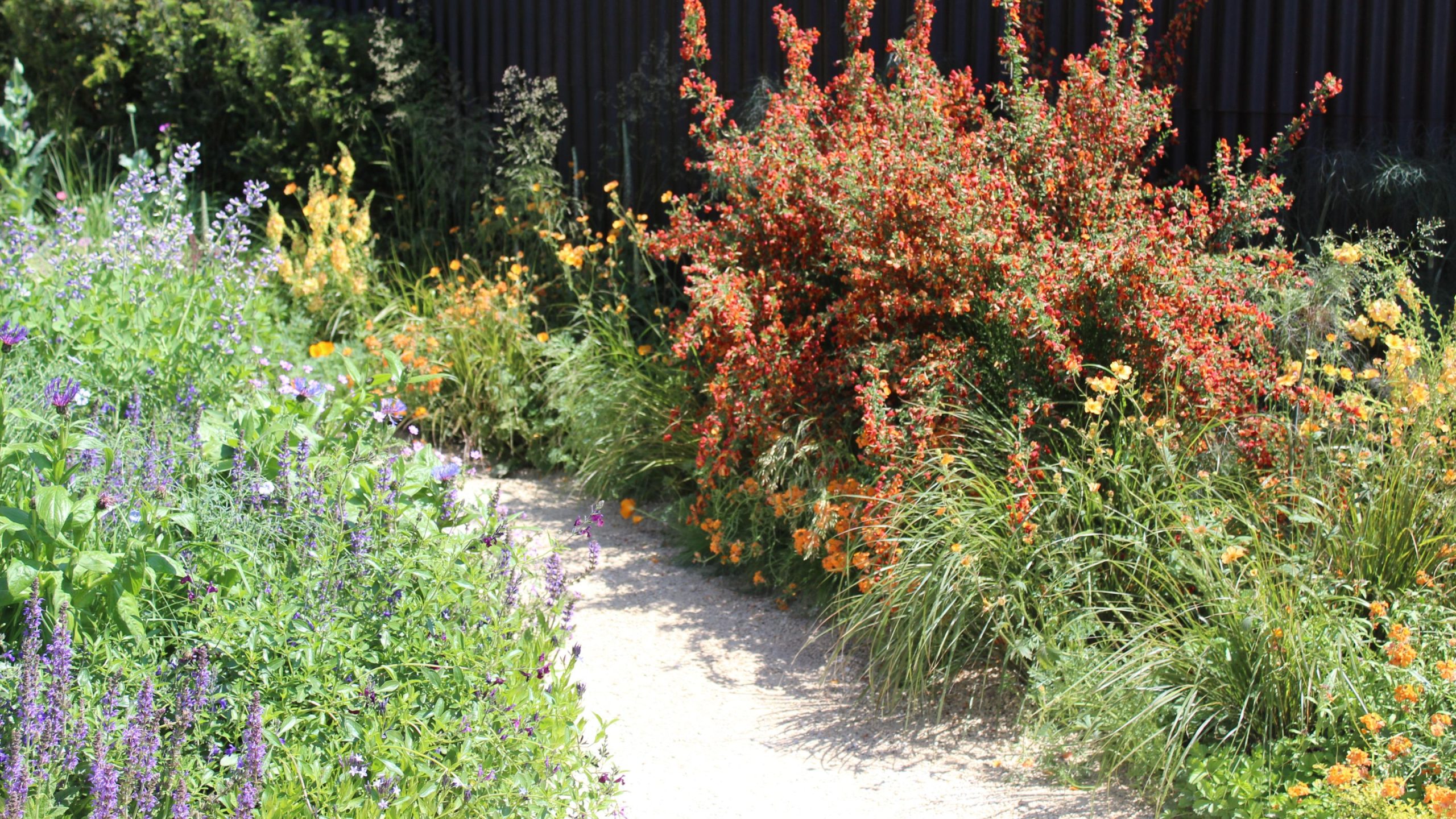
When a garden’s left to grow wild, it gets all messy with weeds and plants running riot. Fixing it up makes it look good and useful again. A spruced-up garden boosts how a place looks and even how much it’s worth. Plus, it helps local wildlife by making a nice spot for plants and animals. A tidy garden adds to the neighbourhood’s charm and gives you a peaceful place to chill outside. So, giving some love to a wild garden can be a win for you and nature around you.
Assess the Current State of the Garden
Before you dive into fixing up a wild garden, take a good look at what’s going on. Just wander around and check out the plants. Spot the ones that are doing well and those that are too far gone. Keep an eye out for thick patches and any sick-looking areas.
Create a Prioritization Checklist
Making a checklist can really help you stay on track. Start by clearing out the dead plants and tackling the really overgrown parts. Once those tough spots are sorted, the rest should feel easier to handle.
Capture the Existing Condition
Snapping some photos of how the garden looks now can be super helpful. They’ll guide you as you plan the makeover and, later on, show off how much things have changed.
Create a Detailed Plan of Action
Turning a wild garden into a chill hangout spot starts with a solid plan. First off, figure out what needs doing, like getting rid of junk, weeds, and dead plants so new stuff can grow. Then, trim the plants that are too big to keep everything healthy. Adding some new plants that look good with what’s already there will really make the garden pop.
It’s important to set goals you can actually hit so you don’t get stressed out. Maybe pick specific days or weekends to tackle different parts of the garden so it stays fun and not a total drag. If you hit a tough spot, like a big tree stump, it might be a good idea to call in the pros. With a good plan, turning a messy garden into a peaceful spot is doable!
Clear the Garden
Tidying up your garden might feel like a big job, but breaking it down makes it easier. Start by picking up things like loose branches, fallen leaves, and any litter lying around. Next, tackle those pesky weeds. Make sure you pull them out by the roots so they don’t come back. Get rid of any dead or scraggly plants to make room for new, healthy ones to grow.
Think about using a compost bin for plant waste. It’s a great way to cut down on rubbish and get some nutrient-rich soil for future gardening. Try starting in one corner and working your way across the garden so you don’t miss a spot. This step-by-step method not only shows off your garden’s potential but also gets it ready for more improvements later on.
Pruning and Trimming Existing Plants
Bringing a tired garden back to life means giving your plants some love with a bit of pruning and trimming. This helps them grow strong and keeps away bugs and diseases. It’s really important to use sharp tools for clean cuts, so plants heal better and don’t get damaged. Keep your tools in good shape to make sure your garden stays healthy.
Make sure to spot and cut off any dead or sick branches quickly, as they can drain the plant’s energy. Look for signs like weird colours, strange bumps, or droopy leaves. Chopping these off makes your plants stronger and stops diseases from spreading around your garden.
Remember, each type of plant needs its own kind of care. Some plants like a trim in early spring, while others do better after they’ve flowered. Checking what each plant needs can really help. If you’re not sure, you might want to chat with a professional gardener or check out a good gardening book. These tips will help you create a beautiful, thriving garden.
Select and Plant New Species
Adding new plants to your garden can really transform its vibe, making it lively and full of colour. Picking the right ones is essential. Opt for native plants that naturally thrive in your area. Not only do they handle the local weather like champs, but they also need up to 30% less water. Plus, they give a helping hand to local wildlife like bees and birds, making your garden a buzzing hub of activity. Imagine a lavender patch attracting bees while you sip tea in the garden.
Before you rush to get new plants, have a gander at how much sun your garden gets and the type of soil you’re dealing with. This helps ensure you pick plants that’ll thrive. Picture the layout: taller plants should go at the back, like a backdrop in a family photo, so they don’t overshadow the little ones. Sun-loving plants should bask in the sunny spots, while shade-preferring ones cosy up in the cooler corners.
Remember to give your plants some breathing room by spacing them 1 to 2 feet apart. This allows them to soak up the sun and nutrients, helping them flourish. A garden trowel can be a handy guide for measuring. When planting, dig holes twice as wide as the root ball to let the roots stretch out comfortably. A light sprinkling of compost can work wonders to enrich the soil. With these simple tweaks, your new plants will fit right in, making your garden feel more alive and easy to maintain. Go on, give it a go! Your garden will thank you.
Implement a Regular Maintenance Schedule
Keeping your garden looking great means sticking to a routine. Plan out days for jobs like weeding, watering, and feeding your plants, so it doesn’t end up a jungle. You could even set a weekly alarm on your phone for a quick 15-minute weeding session. Doing this regularly keeps things tidy and stops weeds from taking over.
Watering’s best done in the early morning or late afternoon to save water from evaporating too fast. Keep an eye on the weather and what your plants need. Just stick your finger in the soil to see if it’s dry. Feeding your plants with some plant food every four to six weeks also helps them grow strong and healthy.
Try using a reminder app or jot things down in a gardening diary. This helps you keep track of what you’ve done and what’s left, especially when the British weather decides to be unpredictable. With a bit of routine care, your garden will become a lovely place to hang out. Why not start this week and see your garden turn into a vibrant paradise?
Conclusion
Turning a messy garden into a lovely getaway is super rewarding. First, check out what’s going on in your garden. Then, come up with a simple game plan. Start by tidying up, pruning the plants you’ve got, and maybe adding some new ones that fit in nicely. Keeping up with the garden regularly will stop it from getting wild again. With a little effort and smart planning, your garden will thrive. So, dive in, get your hands dirty, and enjoy the fun of bringing your backyard to life.
