

Planning roof installation in San Diego involves more than choosing an attractive material and arranging a crew. The real decisions begin with understanding how a house responds to prolonged sunshine, seasonal rain, coastal air, and changes in temperature. A roof that looks impressive on installation day may still underperform if its underlying structure, drainage, ventilation, or flashing has been overlooked. The strongest results come from treating the roof as a complete building system rather than a layer of shingles or tiles.
For homeowners, this approach also makes budgeting easier. It separates necessary structural work from optional upgrades, clarifies which materials suit the property, and helps prevent expensive adjustments once installation is underway.
The Conditions Above the Ceiling Matter Most
San Diego’s climate can create a misleading sense of security. Extended dry periods may leave a roof looking perfectly sound, even when years of ultraviolet exposure have weakened shingles, dried out sealants, or made underlayment brittle. When rain finally arrives, small weaknesses around vents, chimneys, skylights, and roof intersections can become visible leaks.
Coastal properties face additional considerations, including salt exposure and wind. Inland neighborhoods may experience stronger temperature swings and more intense summer heat. Hillside homes can have complicated rooflines, while low-slope sections require particular attention to drainage and waterproofing.
These differences make an initial assessment essential. The installer should consider the roof’s age, pitch, existing material, drainage pattern, attic ventilation, and any evidence of previous water intrusion. A visual inspection from the ground alone cannot establish whether the underlying decking is sound.
The goal is to identify the conditions the new roof must withstand before deciding which system belongs on the house.
Repair, Replacement, or a Completely New System
Not every aging roof requires complete removal. Localized damage, isolated flashing failures, or a small number of displaced shingles may be repairable when the surrounding material remains in good condition. Replacement becomes more reasonable when deterioration is widespread, leaks recur in different areas, or the existing covering has reached the end of its useful service life.
A new installation also creates an opportunity to examine what previous roofing concealed. Once the old covering is removed, damaged decking, deteriorated fascia, poorly positioned fasteners, or evidence of moisture can be addressed before the new materials are installed.
Homeowners should ask how concealed damage will be documented and priced. A written estimate should distinguish the planned work from possible additional repairs rather than treating every unexpected condition as an open-ended expense.
The decision should reflect the roof’s actual condition, not simply its age or appearance. Replacing a serviceable roof prematurely can waste money, while postponing necessary replacement may allow moisture to damage insulation, ceilings, and structural components.
Choosing Materials That Suit the Building
Roofing materials influence appearance, maintenance, weight, weather resistance, and long-term cost. The right choice depends on the home’s design and the conditions at the property.
Asphalt shingles remain a practical option for many residential buildings. They are available in different colors and profiles, generally have a lower initial cost than several premium alternatives, and can be installed on suitable sloped roofs. Product quality, installation details, and ventilation all affect their service life.
Clay and concrete tiles are common choices for homes with Mediterranean or Spanish-inspired architecture. They offer a distinctive appearance and can provide long service when properly installed. Their weight matters, however, so the structure must be suitable for the selected system. Individual tiles can crack, and the underlayment beneath them remains essential to weather protection.
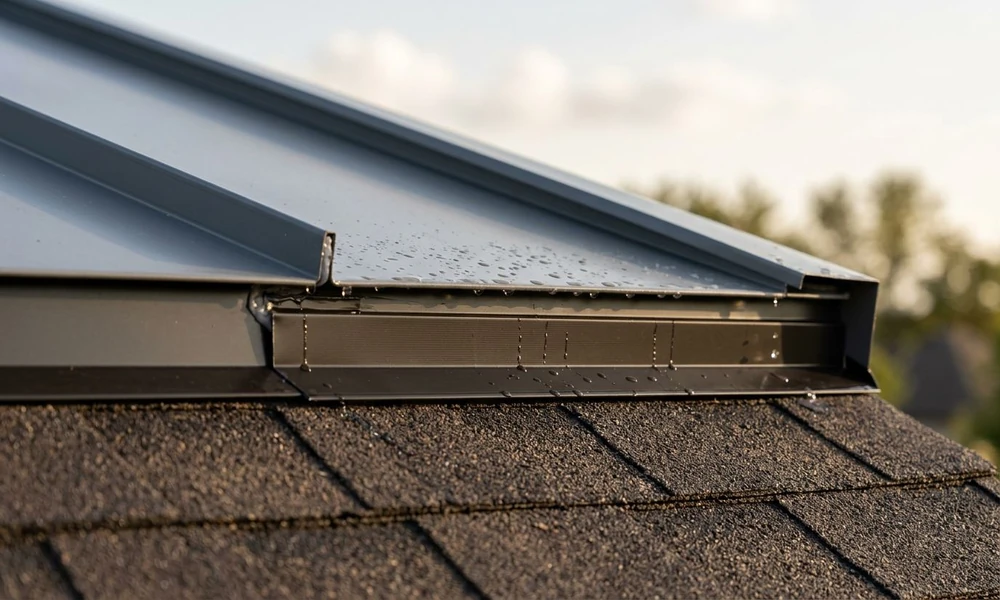
Metal roofing offers durability and can reflect a substantial portion of solar radiation, depending on the finish and system design. Its suitability depends on the roof geometry, fastening method, corrosion resistance, and budget. Poorly detailed joints or penetrations can still allow water entry.
Flat and low-slope roofs need a different assessment. They may use membrane or other purpose-designed waterproofing systems rather than conventional shingles. Drainage becomes especially important because water cannot be expected to run off as quickly as it would from a steep roof.
Instead of comparing products on price alone, homeowners should examine the complete installed system, including underlayment, flashing, ventilation, manufacturer requirements, and warranty conditions.
The Hidden Layers Determine the Outcome
The visible roofing material receives most of the attention, but several less noticeable components determine whether the assembly performs reliably.
First, the roof deck must provide a sound, stable base. Soft, rotted, or damaged sections should be evaluated and repaired before the new covering is fitted. Fasteners must be appropriate for the materials and installed according to the manufacturer’s specifications.
Next comes the water-shedding system. Underlayment provides an additional protective layer, while flashing directs water away from vulnerable junctions. Valleys, plumbing vents, chimneys, skylights, and roof-to-wall transitions deserve careful detailing because these areas interrupt the otherwise continuous roof surface.
Ventilation also deserves attention. An appropriate balance of intake and exhaust ventilation can help manage attic heat and moisture where the building design calls for it. Simply adding vents without considering the existing airflow can produce disappointing results.
Finally, drainage must work as intended. Gutters, downspouts, roof drains, and discharge points should move water away from the building rather than allowing it to collect near foundations or enter vulnerable wall assemblies.
A useful installation review considers all these components together. A premium tile or shingle cannot compensate for poor flashing, damaged decking, or an unsuitable drainage design.
Permits, Contracts, and Decisions Made Before Work Begins
Administrative preparation is part of sound construction, not an inconvenience to address after materials arrive. Permit requirements depend on the project scope and applicable local rules. Homeowners should confirm whether the planned work requires a permit and which inspections apply, particularly when structural changes are involved.
Contractor selection deserves equal care. California’s Contractors State License Board provides guidance on checking credentials, comparing written bids, and understanding contractor insurance. Its contractor hiring guide is a useful starting point.
Before signing, review the proposed material specifications, removal and disposal arrangements, payment schedule, project timeline, cleanup responsibilities, and procedures for approving additional work. Ask separately about the manufacturer’s product warranty and the contractor’s workmanship coverage, since these protect against different problems.
A low estimate may omit necessary preparation or use different materials from a competing proposal. Comparing identical scopes of work makes the price difference more meaningful and helps reveal where shortcuts might otherwise occur.
When Solar Changes the Roofing Decision
Solar planning can affect the timing and design of a new roof. Panels are expected to remain in service for many years, so installing them on a roof nearing replacement may lead to additional costs if the covering must later be removed and reinstalled.
When solar is being considered, evaluate the roof’s condition, usable area, orientation, shading, and expected service life before committing to the array. The roof structure must also be suitable for the proposed equipment and attachment method.
Coordinating roofing and solar work can simplify responsibility for penetrations, flashing, and scheduling. McKay Roofing & Solar, a San Diego contractor whose website describes roofing, solar installation, and battery storage services, presents these as coordinated parts of its work. The company also identifies residential and commercial roofing, inspections, repairs, and replacement among its services.
The practical benefit of coordination is clearer accountability. Homeowners can establish which contractor is responsible for waterproofing details, electrical work, inspections, and any subsequent repairs rather than discovering gaps between separate agreements.
A Finished Roof Should Be Easy to Maintain
Installation is not the final step in protecting a home. Periodic inspections can identify loose materials, damaged flashing, blocked drainage, deteriorating sealants, and debris before they develop into larger problems.
After completion, retain the contract, product information, permit records where applicable, photographs of the finished work, and warranty documents. Ask what maintenance the selected roofing system requires and which activities could affect warranty coverage.
It is also sensible to arrange an inspection after significant weather events when damage is suspected. Walking on tiles or climbing onto a roof without appropriate equipment can cause damage or create unnecessary safety risks, so closer examination is best left to qualified professionals.
A well-installed roof should provide more than a fresh appearance. It should have a sound base, correctly detailed vulnerable areas, suitable materials, reliable drainage, and documentation that makes future care straightforward. When those elements are planned together, the result is a roofing system designed around the building’s real needs rather than a surface upgrade that only looks complete.
