

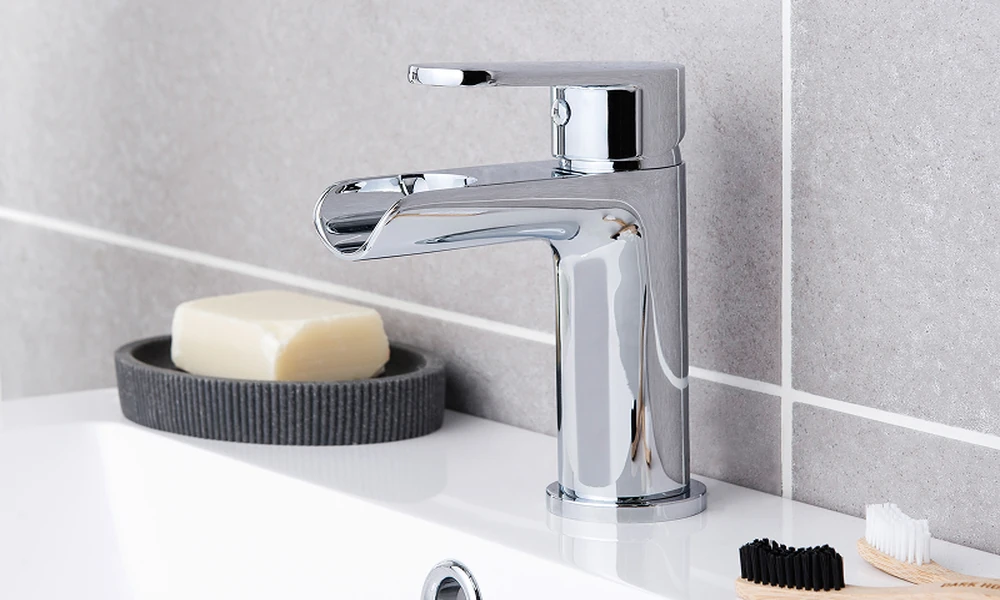
Renovating a bathroom involves making dozens of design and functional choices, from selecting the right wall tiles to choosing luxury shower heads for your daily wash. Among these decisions, choosing the correct tap configuration for your washbasin plays a massive role in both daily convenience and overall bathroom aesthetics. Homeowners usually choose between two main mounting styles: wall-mounted taps, which emerge directly from the wall above the basin, and deck-mounted taps, which attach directly to the basin rim or vanity countertop. Each style offers distinct advantages depending on your plumbing layout, counter space, and visual preferences. Understanding how these options compare helps you choose the perfect bathroom taps in Singapore for your home makeover project.
Sleek Space-Savers: The Case for Wall-Mounted Taps
Wall-mounted taps create a striking floating effect that instantly elevates the visual appeal of modern bathrooms.
Fixing the spout and controls onto the wall frees up precious countertop space around your basin, making smaller vanities look significantly larger and less cluttered. This elevated design simplifies surface cleaning because water droplets fall directly into the bowl rather than pooling around the base of the tap fixture. Furthermore, wall-mounted fixtures pair exceptionally well with countertop vessel sinks, providing comfortable spout clearance for washing hands without splashing water across the deck. Choosing sleek wall-hung fixtures alongside modern overhead shower heads creates a cohesive, streamlined look across your entire sanitary space.
However, wall-mounted installations demand careful planning during the hacking and piping phase. Plumbers must install concealed valve bodies inside the wall before tiling, which requires precise measurements to ensure correct spout projection over the basin centre. This concealed pipework increases upfront labour costs compared to standard surface-mounted installations. Additionally, fixing pipework behind tiles means repairing internal leaks or swapping valve cartridges later requires specialised access or tile removal. Finally, positioning the tap at a rigid spout height is critical, as mounting it too high causes splashback, while mounting it too low restricts hand clearance. Planning your concealed pipework carefully during early renovation stages guarantees a seamless, ultra-modern finish that lasts for years.
Classic Convenience: The Appeal of Deck-Mounted Taps
Deck-mounted taps remain the traditional favourite for residential bathrooms due to their simple installation process and versatile styling options.
Connecting directly to pre-drilled holes on the basin rim or vanity countertop, deck-mounted fixtures work with almost any standard plumbing configuration. Plumbers access the water connections easily from beneath the sink cabinet, making future maintenance, washer replacements, and tap upgrades quick and hassle-free. Additionally, deck-mounted taps offer an enormous range of designs, spanning classic dual-lever mixers to contemporary single-lever monoblocs. Choosing high-quality deck-mounted bathroom taps in Singapore ensures long-term reliability while keeping installation costs completely straightforward.
Side-by-Side Comparison: Finding Your Perfect Match
Weighing installation requirements, maintenance access, and spatial needs helps you select the ideal tap layout for your vanity setup.
| Feature Category | Wall-Mounted Taps | Deck-Mounted Taps |
| Countertop Footprint | Zero deck footprint; preserves full vanity surface area | Requires dedicated drilling space on the basin or countertop |
| Installation Complexity | Requires concealed wall piping before tiling and precise alignment | Connects directly through standard sink holes with accessible plumbing |
| Cleaning & Maintenance | Prevents grime buildup at the tap base; requires wall access for repairs | Allows quick wiping around the basin deck; enables easy sub-sink maintenance |
| Best Paired With | Countertop vessel basins and floating vanity designs | Undermount sinks, drop-in basins, and traditional pedestal units |
Evaluating these practical factors alongside your budget guarantees a practical match for your household’s daily routines.
Installation Considerations: Matching Taps to Your Plumbing Setup
Selecting between wall-mounted and deck-mounted taps ultimately comes down to your structural budget and renovation scope.
If you plan a complete overhaul involving tile removal and pipe relocation, installing wall-mounted brassware offers an extraordinary opportunity to create a luxury hotel aesthetic. Conversely, if you want a fast, cost-effective update without altering existing wall plumbing, choosing a premium deck-mounted tap delivers exceptional performance with minimal disruption. Aligning your fixture choice with your overall renovation scale ensures you enjoy smooth water flow, effortless temperature control, and stunning visual harmony across your entire bathroom suite.
Final Verdict: Elevating Your Bathroom Aesthetic
Both wall-mounted and deck-mounted taps bring distinct benefits to modern bathroom designs. By evaluating your vanity space, installation budget, and maintenance preferences, you can confidently choose the perfect fixture style to complement your home.
Frequently Asked Questions
What is the ideal height for installing a wall-mounted tap above a basin?
Position the tap spout roughly 10cm to 15cm above the rim of the basin to provide ample handwashing room while minimising water splashing.
Can I replace a deck-mounted tap with a wall-mounted tap without re-tiling?
No, converting to a wall-mounted tap requires running water pipes inside the wall behind the sink, which involves cutting open tiles and plasterwork.
Are wall-mounted taps more prone to internal leaks?
When installed by a qualified plumber using high-quality brass concealed valves, wall-mounted taps prove just as reliable and durable as conventional deck-mounted units.
Contact TOTO Asia Oceania to transform your daily washing routine with innovative sanitaryware, elegant brassware, and luxury shower systems.
