

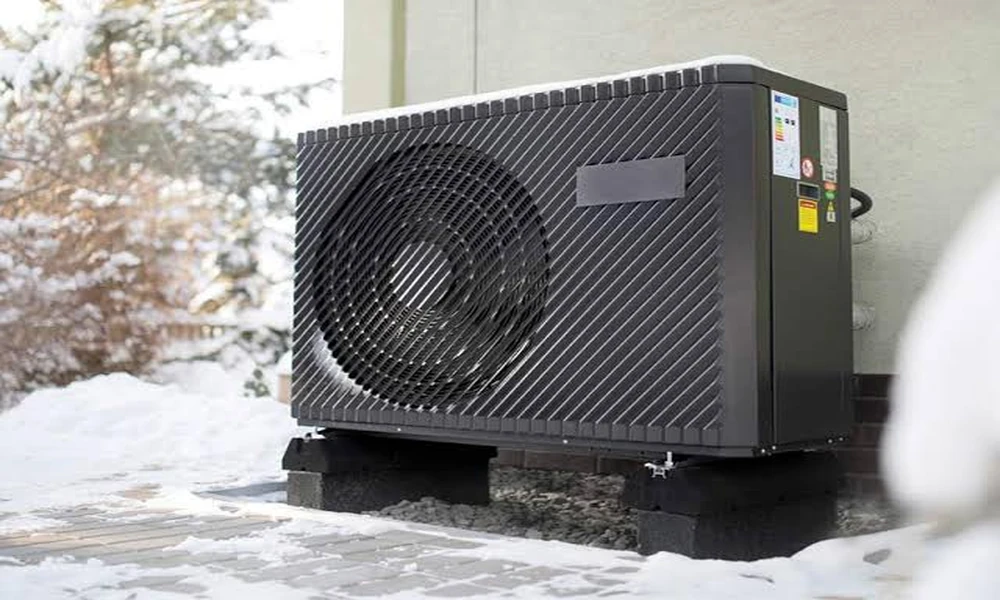
Most Richmond households stop thinking about their HVAC system the week the humidity finally breaks. Windows open, the thermostat goes quiet, and the outdoor unit sits mostly idle through the mild stretch of late September and October. That lull is the best time to look at a heat pump. The first hard freeze in November is when small problems usually become expensive ones.
The stakes are higher this season than they were a couple of years ago. Electricity costs more across Dominion Energy’s Virginia territory. The refrigerant most local systems use is becoming scarcer and more expensive to service. Neither change is dramatic on its own. Together, they change the math on whether to tune up, repair, or replace.
What Changed on the Power Bill
Last November, state regulators approved Dominion’s first base rate increase since 1992. It added about $11.24 to the typical monthly residential bill this year, and a smaller $2.36 increase is scheduled for next year. A fuel charge increase followed on July 1. It adds roughly $8 a month for a household using 1,000 kWh, partly to recover costs from last winter’s severe cold. Dominion has also asked the State Corporation Commission for another grid rider increase of about $3.46 a month, which drew protesters to the regulator’s building this month.
For heat pump owners, these increases hit hardest in the coldest weeks. When the outdoor temperature falls and the heat pump can’t keep up, the system turns on its backup electric resistance strips, usually labeled “aux heat” on the thermostat. Those strips turn one unit of electricity into one unit of heat. A healthy heat pump in typical central Virginia winter weather moves two to three times as much heat for the same power.
A system that is low on refrigerant, has a matted outdoor coil, or has poorly set thermostat staging will run the strips far more than it should. Every one of those hours is now billed at the higher rates.
The Refrigerant Question Inside Every Repair
Most heat pumps installed around Richmond over the past fifteen years run on R-410A. Manufacturers stopped building new residential equipment with it at the start of last year and moved to lower-impact refrigerants such as R-454B and R-32. An EPA rule that took effect in late July allows leftover R-410A units built before that cutoff to be installed until inventory runs out. Existing systems can also be legally repaired for the rest of their service life.
The catch is supply. Production is shrinking while tens of millions of systems still need R-410A, so the refrigerant line on a leak repair keeps growing. An older unit also can’t be topped off with one of the newer refrigerants, because those require different oils, pressure ratings, and safety components.
As a result, finding a leak early is worth more than it used to be. A slow leak caught in October is a repair. The same leak found after the compressor has struggled through January can turn into a replacement decision.
For homeowners in Richmond and the surrounding communities who want this handled before the cold weather rush, Element Heating & Cooling is a locally owned team worth calling. Their Master HVAC, NCI, and EPA-certified technicians handle heat pump and furnace maintenance, mini-split service, and duct performance work. They give upfront pricing and skip the high-pressure upselling that makes many people put off service calls. Maintenance program members get annual tune-ups, priority scheduling when the first cold snap fills every calendar in town, and discounts on repairs. If an inspection shows the system is near the end of its life, 18-month, 0% interest financing for qualified buyers spreads the cost of a replacement.
What a Fall Visit Should Actually Cover
A good tune-up is more than a filter change and a quick look. The table below shows what a technician should check, why each item matters in this region, and what tends to happen by midwinter if it gets skipped.
| Checkpoint | Why it matters around Richmond | What happens if it’s skipped |
|---|---|---|
| Refrigerant charge and leak check | R-410A recharges keep getting more expensive | Undercharged systems rely more on aux heat |
| Defrost board and sensors | Damp nights that swing around freezing are common here | Ice builds up on the outdoor coil and heating capacity drops |
| Aux heat staging and thermostat lockout | Strip heat costs roughly two to three times more per unit of warmth | Strips turn on during 40 degree mornings when they aren’t needed |
| Outdoor coil cleaning | Summer pollen, cottonwood fluff, and fall leaves pack the fins | Longer run times and weaker heat transfer |
| Capacitors and contactors | A hot summer wears out electrical parts | The system fails to start on the first cold night |
| Duct connections and airflow | Many local homes have ducts in crawlspaces or hot attics | Heated air escapes and far rooms stay cold |
If a technician can’t tell you which refrigerant your system uses, or doesn’t check the auxiliary heat settings, the visit probably left something out.
When Repair Stops Making Sense
There is no universal cutoff, but a few signals usually point toward replacement. They include a heat pump older than twelve to fifteen years, a repeat refrigerant leak, a failing compressor, or a single repair quote that approaches a large share of the cost of a new unit. Nationally, a ducted heat pump replacement now commonly falls somewhere between about $7,500 and $15,000 installed. Equipment built for the newer refrigerants carries a modest price premium because of added leak sensors and safety controls.
Some contractors still offer leftover R-410A equipment at a discount. That can make sense if you plan to sell within a few years. If you expect to stay ten years or more, the newer refrigerant platform gives you a longer runway for parts and service.
Mini-splits deserve their own look. For a sunroom, finished attic, or addition that the main system has never heated well, a ductless unit often solves the problem more cheaply than upsizing the whole system.
Small Habits That Keep Winter Bills Lower
Between professional visits, a few habits make a real difference:
- Avoid deep thermostat setbacks with a heat pump. Recovering from a big overnight drop often triggers the backup strips, which cancels out the savings.
- Keep about two feet of clear space around the outdoor unit, and rake leaves away after windy days.
- Check the filter monthly during heavy use. Homes with pets or recent renovation dust may need changes more often.
- Watch for the outdoor unit sitting in pooled water or ice. A sagging pad or a gutter dripping onto it can cause problems all season.
- Look into Dominion’s energy efficiency and bill assistance programs. Some include free home upgrades for eligible households.
Heating costs this winter will depend partly on rates you can’t control. How often your system turns on its backup heat is something you can influence, and a careful look in October is one of the cheapest ways to do it.
