

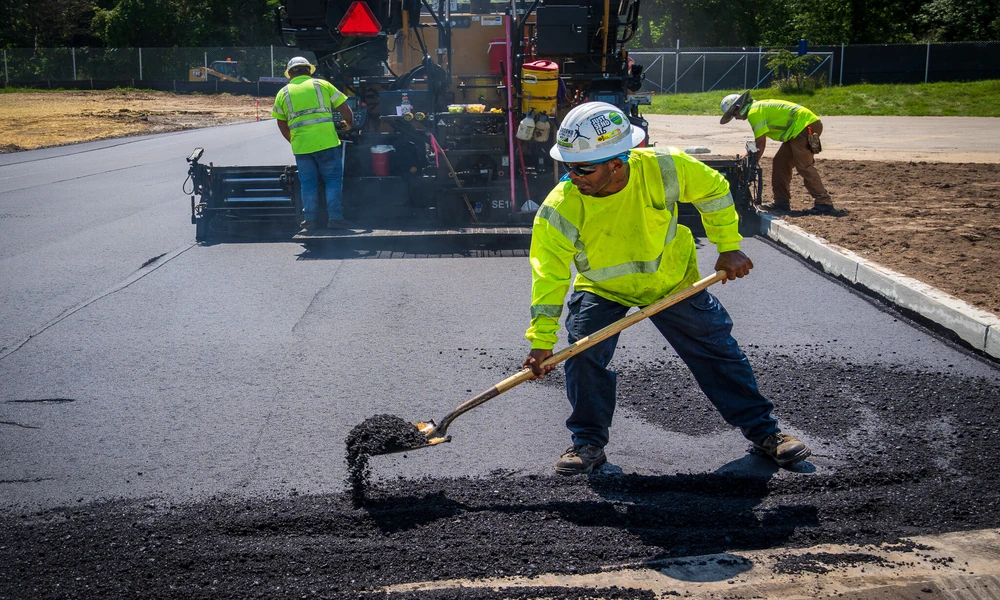
Asphalt milling is the initial major process in many pavement restoration projects. In the process, special milling machines will strip the top layer of asphalt that has been worn down and leave a smooth and stable surface for the new overlay. While milling is typically the most cost-efficient and quick way to improve a pavement, it is not necessarily a smooth process. There are several factors that can impact productivity and total time. By recognising these possible delays, property owners and project managers can proactively anticipate and mitigate them, ensuring that projects stay on track.
Before any pavement rehabilitation begins, it is helpful to understand the factors that can influence the project’s timeline. A comprehensive Slow Down Asphalt Milling Projects Guide can help property owners, facility managers, and contractors identify common challenges before work starts, allowing them to plan more effectively. From changing weather conditions and unexpected pavement damage to equipment maintenance and traffic management, recognizing these potential obstacles early makes it easier to reduce delays, improve scheduling, and keep the milling process as efficient and cost-effective as possible.
- Weather Conditions
One of the most critical variables that can impact asphalt milling projects is weather. During wet weather, rain can cause surfaces to become slippery, cause equipment to be less efficient and make working conditions unsafe. Too much water can also slow down the resurfacing process and cause the following phases to be delayed if the pavement is not able to dry. Cold and/or very hot weather can also affect work schedules and equipment operation. In the construction industry, weather forecasts are used to schedule tasks, so contractors may shorten or extend the time of certain projects depending on the forecast.
- Existing Pavement Condition
The condition of the existing pavement will be a major factor in determining the speed at which milling can be accomplished. If the top layer is removed and the road or parking lot condition is severely cracked, potholed, rutting or structurally damaged, then further repairs may be necessary. However, if there are any issues found with the base material during the milling process, contractors will have to correct those problems before they can start the resurfacing process, which will cause the job to take longer.
- Equipment Performance and Maintenance.
The efficient operation of heavy equipment always plays a crucial role in asphalt milling. Work may be suspended for a period of time due to equipment problems, outdated milling teeth, hydraulic failures, or maintenance problems. Equipment is inspected and maintained regularly to keep the downtime to a minimum, but unexpected mechanical issues may impact the schedule.
- Traffic Management Requirements
For projects in densely developed commercial areas or on active roadways, careful traffic control may be necessary to assure public safety. One section of the roadway or parking lot may be milled at a time if it is necessary for the contractor to continue operating on other sections. The lane closure, detour, and reduced work hours can reduce production when compared to projects undertaken in areas where the lanes can be completely closed during construction.
- Public Land Use and Drainage Modification
Special attention must be paid to manhole openings, utility covers, storm drains and underground utility facilities while milling. Contractors need to be mindful of the features and ensure that they do not damage them, and ensure suitable pavement elevations. In some instances, changes or repairs are required prior to the project going into milling, which prolongs the project.
- The scale and complexity of the project.
Of course, the larger projects will take longer than smaller residential driveways or parking areas. Commercial projects, industrial facilities, and roadways for municipalities may be multi-phase projects that require more equipment and more manpower. Project timelines can be even longer if the site involves complex layouts, varying pavement thickness and accessibility issues.
- Coordination of the various stages of the project.
Resurfacing is frequently performed after milling; however, if there is a delay in the delivery of materials, crew scheduling or asphalt production, gaps can occur between construction phases. Coordination between contractors, suppliers and project managers minimises downtime and can ensure that the project continues smoothly.
