

Freezing is one of the most useful methods for extending the shelf life of many ingredients. However, not every food reacts the same way after freezing and thawing. Understanding proper storage methods can help reduce food waste and improve kitchen efficiency.
Can You Freeze Coconut Milk?
Yes, coconut milk can be frozen, especially when you have leftover ingredients that may not be used immediately. However, freezing may slightly change its texture because the liquid components can separate during the process.
For best results, store coconut milk in an airtight container and leave enough space for expansion during freezing. After thawing, mixing or blending can help restore a smoother texture.
Can You Freeze Celery?
Celery can also be frozen, although its crisp texture may change after thawing. Frozen celery works well in soups, sauces, and cooked dishes where texture is less important.
Before freezing vegetables, cleaning and properly preparing them can improve storage quality.
The Importance of Proper Food Storage Equipment
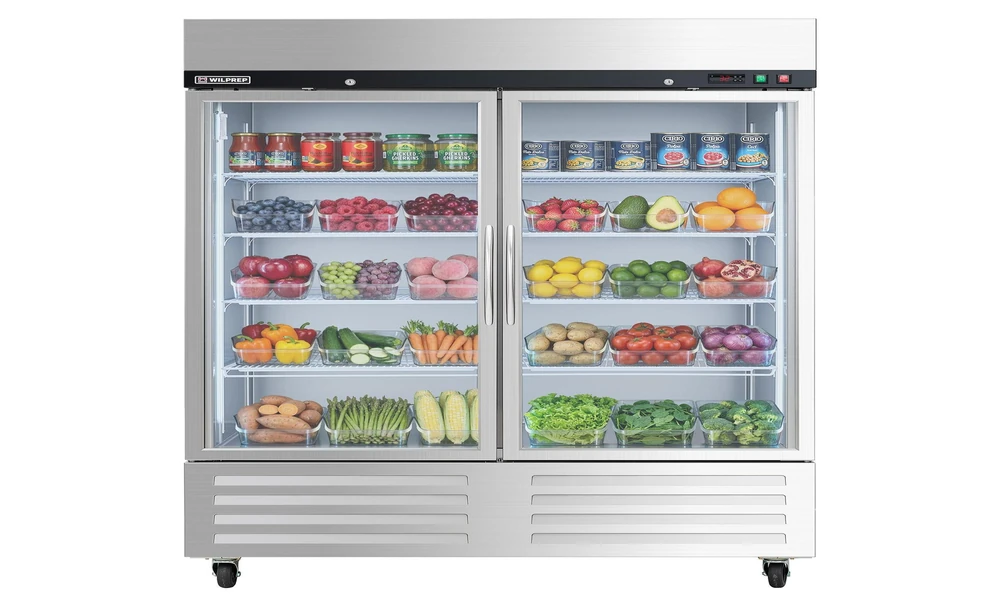
Whether freezing ingredients or storing fresh products, maintaining the right temperature is essential. Professional kitchens rely on dependable refrigeration systems to protect ingredients and maintain organization.
Modern restaurant refrigeration solutions help food businesses manage inventory more efficiently while supporting daily kitchen operations.
Storage Tips for Restaurants
Supporting Better Kitchen Management
Food storage is closely connected with kitchen design and workflow. Restaurants need equipment that supports preparation, storage, and service throughout the day.
Wilprep Kitchen provides solutions designed for restaurants and food businesses looking to build efficient professional kitchens.
Conclusion
Learning how to properly freeze and store ingredients helps reduce waste and improve kitchen performance. With the right knowledge and equipment, food businesses can create safer and more organized operations.
