

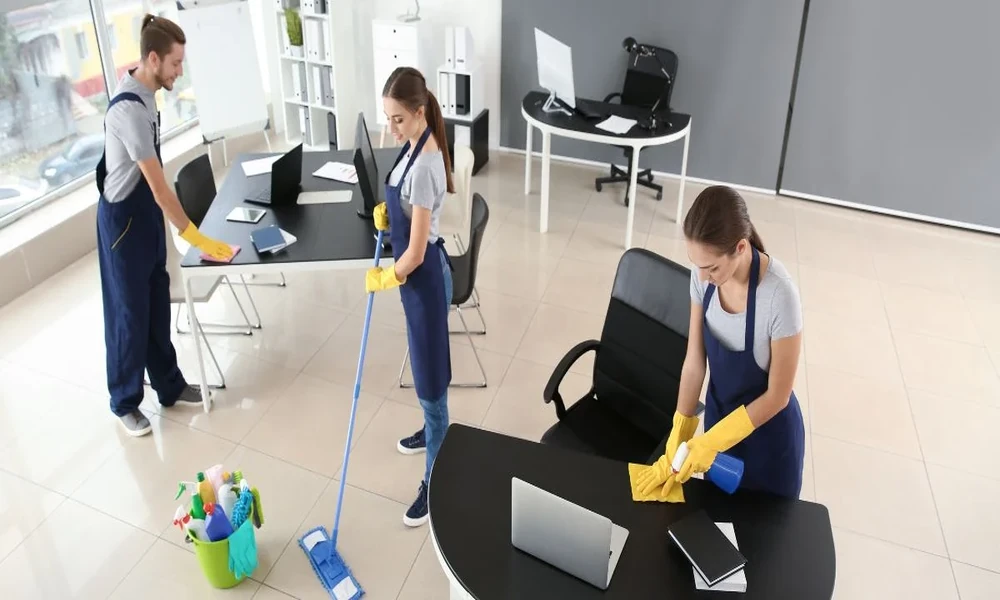
In today’s fast-paced world, maintaining a pristine workplace is essential for any organisation. A clean environment not only promotes health but also reflects the professionalism of the business. The UK cleaning industry is projected to be worth £59.8 billion by 2025, highlighting the increasing importance of effective cleaning strategies.
Implementing structured approaches to cleanliness ensures that every corner of the workplace is attended to. This not only safeguards the health of employees but also enhances the overall aesthetic appeal of the premises. Establishing clear hygiene standards from the beginning is crucial for fostering a safe and productive atmosphere.
This guide delves into how to maintain a tidy workplace by integrating professional services and efficient routines into daily operations. By adhering to these strategies, businesses can meet the stringent demands of modern health and safety regulations while creating an inviting space for all.
Key Takeaways
- Maintaining a clean workplace is vital for employee health and productivity.
- The UK cleaning industry is growing, emphasising the need for professional services.
- Structured cleaning approaches enhance the overall appearance of a business.
- Clear hygiene standards protect the well-being of employees and visitors.
- Integrating effective routines can help meet health and safety regulations.
Understanding the Importance of Deep Cleaning in a Workplace
The significance of maintaining a tidy workplace cannot be overstated in modern business. Cleanliness plays a crucial role in ensuring the health and safety of employees. It is not just about aesthetics; it directly impacts productivity and morale.
According to the British Cleaning Council, poor hygiene in the workplace cost UK businesses a staggering £103 billion in sick days in 2023. This highlights the need for effective cleaning strategies. Employers are mandated by the Health and Safety at Work Act 1974 to provide a safe and clean environment for their staff.
Prioritising deep cleaning helps mitigate the spread of viruses, ensuring compliance with health safety regulations. A clean workplace reduces the likelihood of illness transmission among employees, especially in shared spaces.
“Maintaining high hygiene standards is not merely an aesthetic choice but a fundamental investment in the long-term productivity of your workforce.”
Regular deep cleaning sessions can eliminate hidden allergens and bacteria that standard cleaning often overlooks. By investing in these practices, businesses can foster a healthier and more productive environment.
Office Deep Cleaning Best Practices UK
A systematic approach to cleanliness can significantly enhance workplace morale. To achieve a hygienic environment, businesses must focus on every corner of their premises, from reception areas to private offices.
One office manager reported a remarkable 40% reduction in sick days after implementing a comprehensive cleaning schedule. This underscores the impact of regular maintenance on employee health.
Key elements of effective cleaning include:
- Professional-grade products: Use cleaners that effectively eliminate bacteria, rather than just moving dust around.
- Consistency: Regular attention to all areas is crucial for maintaining high hygiene standards.
- Standardisation: Establishing uniform cleaning processes fosters a culture of cleanliness, encouraging employees to take pride in their workspace.
- Thorough assessments: Ensure that all surfaces are evaluated to prevent untreated hotspots.
“Creating a culture of cleanliness not only protects health but also enhances the overall work experience.”
Daily Cleaning Essentials for a Spotless Office
A well-maintained workplace is crucial for fostering a healthy and productive environment. Daily cleaning routines play a vital role in achieving this goal.
High-touch surfaces, such as door handles and lift buttons, must be sanitised every day. This practice helps prevent the rapid spread of germs among employees. Research shows that the average desk harbours 400 times more bacteria than a toilet seat, making workstation hygiene a critical priority.
Using a fragranced bactericidal cleaner can kill 99.999% of bacteria, including MRSA, while leaving a pleasant scent. Employees should be encouraged to wipe down their own desks daily with appropriate products provided by the facilities management team.
Furthermore, daily management of high-touch surfaces is the most effective way to maintain a clean office and reduce the risk of cross-contamination. Providing accessible sanitiser and wipes at every workstation ensures that staff can easily maintain their own space throughout the working day.
“Cleanliness is not just a routine; it’s a commitment to health and productivity.”
Weekly and Monthly Cleaning Routine for Long-Term Hygiene
Establishing a consistent cleaning routine is vital for sustaining hygiene in any workspace. A structured cleaning schedule ensures that weekly and monthly tasks are completed consistently, preventing the build-up of grime in neglected areas.
For instance, one retail manager noted a 75% reduction in slip-and-fall incidents after switching to a professional two-stage floor cleaning system. This highlights the importance of using the right products for floor care.
Monthly tasks should focus on areas like HVAC systems and carpets, which accumulate dust and allergens over time. Using professional-grade floor cleaning products helps to preserve the integrity of surfaces while ensuring they remain safe for all building occupants.
Weekly routines should include clearing out communal fridges and dusting high-level fixtures that are often overlooked during daily maintenance. Focused cleaning sessions allow the team to target stubborn stains and bacteria that require more intensive treatment than routine maintenance.
“Regular maintenance is not just a chore; it’s a commitment to a healthier workplace.”
Strategic Cleaning for High-Traffic and Shared Areas
High-traffic zones require strategic maintenance to ensure a healthy environment for all employees. Communal spaces often see the highest volume of foot traffic, making them prime areas for germ transmission.
Providing sanitiser bottles at every sink has been shown to increase hand hygiene compliance by up to 30% in various settings. This simple addition can significantly enhance the overall hygiene of the workplace.
Communal Space Cleanliness
Attention to detail in shared spaces demonstrates that the business values the health and comfort of its entire workforce. Regular cleaning of surfaces in these areas is essential to prevent the spread of bacteria.
Kitchen and Bathroom Deep Clean
Kitchens require a thorough clean of appliances, including microwaves and fridges, to prevent the growth of bacteria and unpleasant odours. Bathroom maintenance must also be frequent, using specialised products that descale and disinfect fixtures.
Using colour-coded microfibre cloths in communal areas can help prevent cross-contamination between kitchen and bathroom tasks, ensuring that hygiene standards are upheld.
Sustainable and Eco-Friendly Cleaning Techniques
With environmental concerns at the forefront, adopting sustainable cleaning techniques is vital for modern workplaces. A growing number of consumers are prioritising eco-friendly products, with approximately 60% of UK consumers willing to pay more for environmentally friendly alternatives. This trend not only reflects a shift in consumer preferences but also highlights the importance of sustainable practices in maintaining hygiene.
Implementing green cleaning practices reduces the environmental impact of your workplace while ensuring high hygiene standards. By using plant-based, biodegradable cleaning products, businesses can create a safer environment for employees, especially those with allergies or sensitivities to harsh chemicals.
Green Cleaning Products
Utilising concentrated cleaning products significantly reduces packaging waste and lowers the carbon footprint of operations. Training staff on the proper use of these eco-friendly products ensures they are used effectively without compromising results.
Implementation of Sustainable Practices
Adopting these techniques helps align businesses with modern environmental standards, fostering a healthier space for everyone to work in. By committing to sustainable cleaning, organisations not only enhance their image but also contribute positively to the environment.
| Aspect | Traditional Cleaning | Sustainable Cleaning |
|---|---|---|
| Environmental Impact | Higher waste and chemical use | Lower waste, biodegradable products |
| Employee Safety | Harsh chemicals may cause reactions | Safer for sensitive individuals |
| Cost | Often cheaper upfront | Potential long-term savings through efficiency |
Specialist Cleaning for Unique Office Spaces
In today’s tech-driven workspaces, regular upkeep of equipment is vital to prevent malfunctions. Specialist cleaning of technology is essential to avoid dust accumulation, which can lead to overheating and hardware failure.
IT managers often set aside dedicated time for cleaning keyboards and mice. Using compressed air helps remove debris from hard-to-reach internal components.
It is crucial to never spray cleaning products directly onto electronic equipment. Instead, always apply the solution to a microfibre cloth first to protect sensitive circuits.
Shared equipment, such as photocopiers, also requires regular attention. Ensuring that high-touch buttons remain free from bacteria and visible grime is necessary for a hygienic environment.
Maintaining equipment through regular cleaning extends its operational life. This ensures that the workplace remains functional and efficient for all staff.
Specialist cleaning services are often needed for unique spaces, such as server rooms or laboratories. These areas require specific hygiene protocols to be followed.
| Equipment Type | Cleaning Frequency | Recommended Products |
|---|---|---|
| Keyboards | Weekly | Compressed air, alcohol wipes |
| Photocopiers | Bi-weekly | Disinfectant wipes |
| Server Rooms | Monthly | Electronics-safe cleaners |
Efficient Schedules and Professional Cleaning Products
An effective cleaning schedule is crucial for ensuring a consistently hygienic workplace. A professional clean typically takes between 3 to 8 hours, depending on the size and condition of the property. This time investment is essential for maintaining high standards of cleanliness.
Optimising your cleaning schedule ensures that resources are allocated effectively. Focus on high-traffic areas during the busiest hours of the day to maximise impact. This approach not only enhances hygiene but also supports employee health.
Selecting the right equipment is vital for achieving professional results. High-grade vacuum cleaners and floor buffers can significantly improve the efficiency of cleaning tasks. Moreover, professional products are formulated to be more effective than standard retail alternatives, saving both time and labour costs.
Regularly reviewing your cleaning schedule allows for adaptation to the changing needs of your business. Investing in high-quality equipment and products is a key component of any successful strategy to keep your environment spotless and healthy.
“Investing in the right tools and schedules is an investment in the well-being of your workforce.”
Case Studies and Real-World Success Stories
Success stories from businesses highlight the impact of professional services on workplace hygiene. Crystal Cleaning Servicing Ltd has provided numerous organisations with tailored solutions that significantly enhance overall cleanliness.
Clients often praise the team for their exceptional attention detail, noting that they consistently deliver results that exceed initial expectations. Many have reported improved workplace morale and a healthier environment.
Insights from Crystal Group suggest that a proactive approach to facility maintenance is the most effective way to ensure long-term operational success. Their commitment to high-quality products and services has proven beneficial.
- Investing in professional services allows organisations to focus on their core business while maintaining a pristine environment.
- Real-world success stories demonstrate that utilising expert staff leads to a more productive and professional atmosphere.
- By partnering with experienced providers, businesses can ensure their premises are always ready to impress visitors and support employees.
“Attention to detail in cleaning not only protects health but also enhances the overall work experience.”
The Role of Deep Cleaning Services in Modern Business
For businesses aiming to make a lasting impression, maintaining impeccable hygiene standards is crucial. Professional cleaning services enhance the professional image of a company, ensuring that all visitors perceive a commitment to cleanliness and safety.
These services are essential for maintaining high hygiene standards across commercial properties. They help build trust with clients and ensure the well-being of staff. By utilising expert cleaning teams, businesses can address complex cleaning challenges that in-house teams may not be equipped to handle.
A clean and well-maintained workplace reflects brand values and dedication to providing a quality environment. Outsourcing cleaning needs allows facilities to be managed by trained professionals who are knowledgeable about the latest industry regulations.
Integrating professional cleaning services into business strategy is a vital step towards achieving long-term growth and operational excellence.
- Enhances professional image for visitors.
- Builds trust with clients through high hygiene standards.
- Expertise to tackle complex cleaning challenges.
- Reflects brand values and commitment to quality.
- Managed by trained professionals aware of regulations.
- Supports long-term growth and operational excellence.
| Aspect | In-House Cleaning | Professional Services |
|---|---|---|
| Expertise | Limited knowledge | Specialised training |
| Equipment | Basic tools | Advanced cleaning products |
| Focus | General tasks | Thorough and tailored cleaning |
Conclusion
Maintaining a commitment to cleanliness is essential for any thriving business environment. A clean workplace is not just about appearances; it plays a crucial role in ensuring the health and safety of employees.
Whether managing standard workplaces or specialised healthcare facilities, the principles of thorough hygiene remain vital. By adhering to these best practices, businesses can create a productive and healthy space for everyone.
Remember, a deep clean office protects your most valuable asset: your people and their wellbeing. We encourage you to review your current cleaning routines and consider how professional services can elevate your standards.
Consistent attention to detail will ensure that your workplace remains a shining example of professionalism and hygiene for years to come.
