

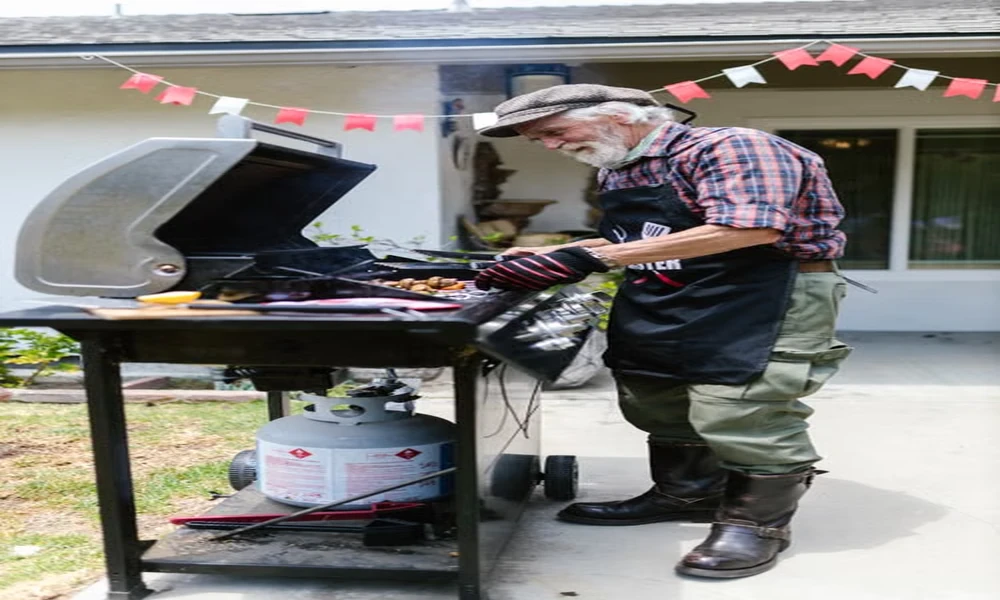
Is it time to get a refill for your propane tank? Running out of propane can interrupt your cooking, heating, landscaping, and other activities. Instead of buying a whole new tank that may be in good shape, consider getting a refill. With a little knowledge and a focus on safety, getting a refill may be an easy part of your regular home maintenance.
When Should I Get a Refill Instead of Replacing My Propane Tank?
If your tank is designated to be refilled and is in good condition, getting a refill may be easier than purchasing a new tank each time. You’re able to reuse your tank, you don’t create extra waste, and you aren’t paying for a new container each time.
You can also stay stocked up by scheduling a refill when you know you are running low on fuel. It can be helpful to know how much fuel you use and to plan accordingly if you use your tank often for things like your grill, patio heater, or generator.
A refill may be appropriate when:
- Your tank is approved for use
- There is no obvious damage, severe rust, or other visible harm to the tank
- The valve and other parts seem intact
- The tank is still within the inspection timeframe
Only a qualified attendant should decide if a tank is ready to be refilled.
What to Know Before Getting a Propane Tank Refill
Before you take your tank for a refill, look it over. Is there any denting, heavy corrosion, valve damage, or other signs of heat exposure? Never try to fix a propane tank, as you can see on this useful link, yourself.
Also check the date on your tank. Tanks must be inspected or recertified periodically, and older tanks may need to go through more inspections before they can be refilled. Ask someone knowledgeable to read the tank’s label if the date is hard to see.
It’s also important to think about how you will transport the tank. You’ll want to carry the tank upright and prevent it from moving while you drive. Don’t leave the tank in a hot car for very long, and don’t smoke while handling it. Once you get to where you will have it filled, follow the directions of the staff for taking the tank out of the car and placing it.
How to Get a Tank Filled
Refilling your propane tank is more than just pouring propane into the container. First, the technician will make sure the tank is ready to be filled. Then, the tank is attached to the appropriate equipment and filled according to safety standards.
Your tank should not be filled to capacity. The tank will have room left over for the propane to expand (there is a helpful breakdown at www.en.wikipedia.org/wiki) as temperatures change. That is why you shouldn’t tamper with valves or use non-standard equipment to fill a tank.
Once the tank is filled, there may be some additional steps to ensure the connection is safe. If you smell a lot of propane, hear a hissing sound, or notice unusual damage after getting a refill, get out of the area and call a trained professional. Don’t turn electrical switches on or off, use matches, or try to find the leak.
Will I Choose a Refill or an Exchange?
Some people prefer an exchange program. It can be easier and faster than getting a refill, though you may end up with a different tank and need to pay for the tank or exchange fee.
Refilling lets you keep your own tank, if it passes safety standards. If you use propane regularly, refilling might be the better choice.
Whether a refill or exchange is right for you depends on your tank, your history with it, how you use it, and what options are available in your area. If you aren’t sure which route to go, ask a reputable propane company, Blue Flame Professional Service, to explain the options to you.
Tips for Tank Maintenance
Keep your tank outside in a place with plenty of airflow, away from flames and other sources of ignition. Make sure it stays upright and, if possible, cover the valve. Never put the tank in an enclosed space like a basement or garage.
Check your lines, connections, and appliance for damage. Have a qualified propane company replace anything that is worn out. Follow your appliance’s owner’s manual for information on how to properly attach or remove the tank.
Keep track of your tank size, what it serves and how fast you usually consume propane before scheduling service. A technician may suggest a refill schedule and let you know if a bigger tank or extra certified tanks make sense. Ask about working hours, accepted forms of payment and whether the technician will check connections during the visit. Blue Flame Professional Service might also be able to tell you about local regulations and assist with getting propane for grills, generators, outdoor kitchens or other devices that require a reliable source of fuel.
Before setting up regular service, determine your tank size and which appliances are connected. This will help Blue Flame Professional Service calculate your usage more accurately.
Retaining your refill receipts and inspection reports in one location can help you schedule future services and will serve as a maintenance log.
A Tank-Friendly Practice
Getting a refill may help keep your appliances working and save you from having to replace your tank unnecessarily. Take the time to check your tank, make sure it is ready to be filled, safely transport it, and get it refilled by a professional. Having a system for your refills may make things easier and help keep safety in mind.
